
Best Leg Machines for Home Gyms (By Goal: Quads, Glutes, Hamstrings)
Building legs at home is way easier when you stop buying “random leg equipment” and start building a leg system:
(1) the right machine for your goal + (2) the right plates to progress.
Below is a practical guide to choosing leg machines based on what you actually want to build: quads, glutes, hamstrings, calves, or a complete leg day setup—with clear recommendations for plate-loaded training.
Step 1: Choose your leg goal
Most people think they need “everything.” You don’t. Pick your primary goal and buy around it.
If your goal is bigger quads
Best machine types:
-
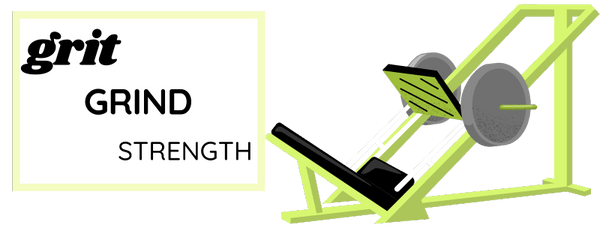
Leg press
-
Hack squat
-
Pendulum squat
-
Leg extension (isolation finisher)
Why this works: these machines let you push high effort safely while keeping tension where you want it (usually quads), with less skill and setup than free-weight squats.
Shop by goal:
-
Quads-focused machines →
/collections/leg-press-hack-squat-pendulum
If your goal is bigger glutes
Best machine types:
-
Hip thrust machine
-
Belt squat
-
Glute kick / glute isolation
-
(Plus: certain leg press foot placements can bias glutes)
Why this works: glute growth thrives on consistent, repeatable loading without turning every session into a complicated setup.
Shop by goal:
-
Glute-focused machines →
/collections/hip-thrust-belt-squat-glute
If your goal is stronger hamstrings
Best machine types:
-
Leg curl (or a leg extension/leg curl combo)
-
Supplemental choices: belt squat (depending on style), certain squat variations
Why this works: hamstrings respond best to training that hits knee flexion directly (curls), not just hip hinge work.
Shop by goal:
-
Hamstring-focused machines →
/collections/leg-extension-leg-curl
Step 2: Choose your machine category
Here’s how the big categories compare, in plain language.
1) Leg Press (home gym favorite)
Best for: quads + glutes, heavy training, safe progression
Why it’s great at home: stable setup, easy to load, hard to “mess up”
What to watch: footprint, sled angle, and your plate setup
Great next step: pair a leg press with a plate set so you can progress immediately.
-
Starter: 180 lb set
-
Most home gyms: 250 lb set
-
Heavy loading: 270 lb set
Shop leg press machines → /collections/leg-press-machines
Shop plate sets → /collections/olympic-plate-sets
2) Hack Squat (quad bias with serious output)
Best for: quads, high effort, “squat feel” without the balance demands
Why it’s elite: most lifters can safely push closer to failure than with barbell squats
What to watch: footplate adjustability and smoothness under load
Hack squats shine when you can load consistently—meaning a 270 lb plate set is often the best pairing.
Shop hack squat machines → /collections/hack-squat-machines
Add a 270 lb plate set → /products/olympic-weight-plate-sets
3) Pendulum Squat (brutal quads, smooth path)
Best for: quads with a unique squat pattern
Why people love it: it often “feels right” immediately and lights up quads without needing a perfect bar path
What to watch: room for the arc of movement + plate availability for progression
This is a perfect machine for micro-progressions. Add 2.5 lb fractional plates so you can keep progressing even when big jumps stall out.
Shop pendulum squats → /collections/pendulum-squat-machines
Shop micro plates → /products/2-5lb-olympic-weight-plates-4-pack
4) Belt Squat (heavy legs, less spinal loading)
Best for: quads + glutes, heavy work without loading the spine
Why it’s a home gym cheat code: you can train legs hard even when your back is tired from other training
Belt squats pair best with a “middle-heavy” plate setup like a 250 lb set, then micro plates to keep progress steady.
CTA: Shop belt squats → /collections/belt-squat-machines
CTA: Shop 250 lb set → /products/olympic-weight-plate-sets
5) Hip Thrust Machine (glute growth without the setup)
Best for: glutes (and hamstrings as support)
Why it’s a game-changer: no bar setup, consistent positioning, easier to train hard
A lot of people get the most value starting with an 180 lb set + 2.5 lb fractional plates.
Shop hip thrust machines → /collections/hip-thrust-machines
CTA: Shop 180 lb plate set → /products/olympic-weight-plate-sets
6) Leg Extension / Leg Curl Combo (best “accessory station”)
Best for: quads + hamstrings in one footprint
Why it’s the best add-on: easy to use, huge stimulus, and complements your main squat/press machine
If you want “complete legs,” this is the add-on that rounds out the system.
CTA: Shop leg extension/curl → /collections/leg-extension-leg-curl
Step 3: Build a simple “Leg System” (3 options)
Starter Leg System (tight space, big payoff)
-
Hip thrust OR leg extension/curl combo
-
180 lb plate set + 2.5 lb micro plates
Serious Leg System (most customers)
-
Leg press OR belt squat
-
250 lb plate set + collars
Pro Leg System (heavy progression)
-
Hack squat OR pendulum squat
-
270 lb plate set + micro plates + collars
CTA: Shop complete leg systems (bundles) → /collections/leg-day-systems
FAQ
What’s the best single leg machine for a home gym?
If you want one machine to cover the most ground, a leg press is usually the most versatile.
Do I need plates for plate-loaded machines?
Yes—if the machine is plate-loaded, plates are the fuel. Most customers do best with a set (not random pairs).
What plate set should I start with?
A common setup is 180 lb (starter), 250 lb (most popular), or 270 lb (heavy lifters / multiple machines).